
How Much Should a New Roof Cost in London?
A new roof in London typically costs between £5,000 and £16,000 for an average semi-detached or terraced house, depending on the material, the size of the roof and how easy it is to access. Concrete tiles sit at the lower end, around £70 to £100 per square metre fitted. Natural slate, common on Victorian terraces across Clapham and Battersea, runs £120 to £200 per square metre. A flat roof on an extension or garage usually costs £3,000 to £8,000 on top of these figures. Scaffolding, skips and any rotten timber found underneath are normally charged as extras, so get three local quotes before you commit to anything.
Jump to:
- How much should a new roof cost in 2026
- What affects the price
- Flat roof vs pitched roof cost
- Is it cheaper to repair or replace
- Signs you need a new roof
- What happens during a roof replacement
- How long does a new roof take
- The most expensive mistake homeowners make
- Areas we cover
- FAQ
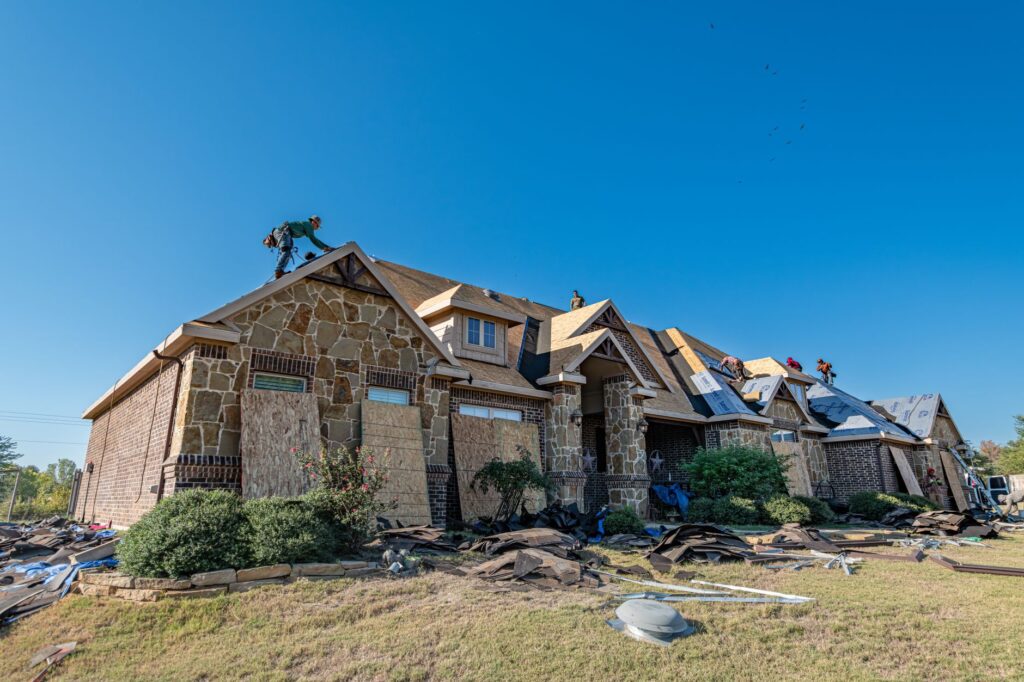
How Much Should a New Roof Cost in London in 2026?
How much should a new roof cost comes down almost entirely to material and square metreage, with London adding a premium of roughly 15 to 30 per cent over national average prices because of labour rates, scaffolding restrictions and parking. The table below uses an 80 square metre roof as the reference point, which is typical for a two or three bedroom semi-detached house.
| Material | Cost per m² (fitted) | Typical total for 80m² roof |
|---|---|---|
| Concrete tile | £70 to £100 | £5,600 to £8,000 |
| Clay tile | £90 to £130 | £7,200 to £10,400 |
| Natural slate | £120 to £200 | £9,600 to £16,000 |
| EPDM rubber (flat) | £70 to £100 | £2,800 to £4,000 (for a 40m² flat section) |
| GRP fibreglass (flat) | £80 to £120 | £3,200 to £4,800 (for a 40m² flat section) |
These figures are guide prices and vary with roof pitch, chimney detailing and how many valleys or dormers are cut into the roof. Treat anything quoted without a site visit as a rough estimate only, and confirm final numbers with at least two roofing contractors who have physically been up a ladder.
What Affects the Price of a New Roof
Four things move the number more than anything else: material, access, the condition of the timbers underneath, and whether the property sits in a conservation area.
- Access. A detached house in Richmond or Kew with a driveway is cheap to scaffold. A mews property in Belgravia or Knightsbridge with no front setback and restricted parking can add £500 to £1,000 to the scaffolding bill alone.
- Timber condition. Roofers quote the visible job first. If rafters or battens are rotten once the old covering comes off, expect an additional £2,000 to £5,000 depending on how much has to be replaced.
- Conservation area rules. Large parts of Primrose Hill, Hampstead, Highgate and Kensington sit in conservation areas or contain listed buildings. These often require matching clay tile or natural slate rather than a cheaper substitute, and sometimes need planning sign-off before work starts.
- Roof complexity. Dormers, multiple chimneys and valleys all add labour hours. A simple gable roof on a Wimbledon semi is quicker and cheaper per square metre than a Victorian terrace roof in Islington with three chimney stacks.
Flat Roof vs Pitched Roof Replacement Cost
Flat roofs cost less in absolute terms simply because they cover less area, but they fail more often. A flat roof on a rear extension in Fulham or Putney, typically 20 to 40 square metres, costs £2,800 to £4,800 to replace in EPDM or GRP and usually needs redoing every 20 to 25 years. Felt roofs are cheaper to install but have a shorter lifespan, often 10 to 15 years, which makes them a false economy if you plan to stay in the property long term.
Pitched roofs cost more up front but last considerably longer, 50 years or more for slate, 30 to 50 for concrete tile. If your extension has a flat roof and the main house has a pitched one, it is common to budget for the flat section separately since it will need attention sooner.
Is It Cheaper to Repair or Replace a Roof?
Repair is cheaper in the short term and often the right call if the damage is localised: a handful of slipped tiles, a cracked ridge tile, or a leak around a single flashing point. These jobs typically run £150 to £600 and can often be handled as part of general property maintenance rather than a full roofing contract.
Replacement becomes the better long-term decision once more than 20 to 25 per cent of the roof is affected, or once the roof is past its expected lifespan and repairs are becoming frequent. A roofer patching the same section three times in two years is a sign you are paying for a replacement in instalments anyway, just without the warranty. If you're not sure which camp you fall into, a straightforward inspection through property maintenance can tell you whether you're looking at a repair job or something bigger.
Signs You Need a New Roof
Daylight visible through the loft boards, tiles that have slipped or cracked in more than one place, sagging between rafters, and damp patches that reappear after repair are the main indicators. Granules collecting in the gutters from tile wear, and a roof over 40 to 50 years old that has never been re-covered, both point toward replacement rather than another patch repair. Clearing debris from gutters regularly actually helps spot these early, since a lot of roof damage first shows up as water pooling or overflowing at roof level before it ever reaches the loft.
What Happens During a Roof Replacement
A full re-roof generally follows the same sequence regardless of postcode:
- Scaffolding goes up and a skip is positioned, usually requiring a council permit if it sits on the road, common in tighter streets in Chelsea and South Kensington.
- Old covering is stripped back to the timbers.
- Timbers are inspected and any rot or damage is repaired or replaced.
- A new breathable membrane and battens are fitted.
- New tiles or slates go on, followed by ridge and ventilation detailing.
- Flashing is fitted around chimneys and valleys, and gutters are reinstated or replaced.
- Scaffolding comes down and the site is cleared.
Step three is the one that changes the final bill most often, which is exactly why a quote that promises a fixed price without anyone inspecting the timbers first should be treated with suspicion.
How Long Does a New Roof Take to Fit?
| Job | Typical duration |
|---|---|
| Small flat roof (garage or extension) | 1 to 2 days |
| Full pitched re-roof, terraced house | 5 to 10 working days |
| Full pitched re-roof, detached or larger house | 10 to 15 working days |
| Listed building or conservation area approval | Add 2 to 4 weeks before work can start |
Weather adds the main variable. Tiling in wind or heavy rain is unsafe and gets stopped, so a job quoted at a week can easily run into a second week during a wet spell, which is worth factoring in if you're timing the work around anything else in the house.
The Most Expensive Mistake Homeowners Make
The costliest mistake is accepting a fixed price for the roof covering alone, before anyone has opened up the roof to check the condition of the timbers underneath. Roofers quote what they can see. Rotten rafters, failed battens or old lead flashing only show up once the existing covering is stripped off, and at that point you're in no position to shop around for a second opinion. Ask any quote whether the price includes an allowance for timber replacement, and if it doesn't, ask what the day rate or per-metre cost would be if damage is found.
Areas We Cover
We handle roof repairs, gutter work and the maintenance that extends a roof's life across most of London, including Chelsea, Kensington, Wimbledon, Knightsbridge, Belgravia, Notting Hill, Fulham, Richmond, Battersea, Clapham, Putney, Barnes, Dulwich, Kew and Hampstead. Period properties in Primrose Hill and Highgate often carry conservation area restrictions on roofing materials, so if you're in one of those postcodes it's worth checking with the council before any work starts, not after a skip has been booked.
FAQ
How much does a new roof cost in the UK in 2026?
Nationally, a new pitched roof on an average semi-detached house costs £5,000 to £10,000 depending on material, with natural slate pushing toward £15,000 or more. London prices typically sit 15 to 30 per cent above this due to higher labour costs and more restricted access for scaffolding. Flat roofs on extensions cost less, usually £2,800 to £4,800 for a 40 square metre section.
How much is a new roof for a 3 bed house?
A typical three bedroom semi-detached or terraced house has a roof area of around 80 to 100 square metres. With concrete tile, expect £5,600 to £10,000. With natural slate, expect £9,600 to £20,000. The exact figure depends on roof pitch, chimney count and how much scaffolding access costs on your particular street.
Is it cheaper to repair or replace a roof?
Repair is cheaper for isolated damage such as a handful of slipped tiles or a single leaking flashing point, typically £150 to £600. Replacement becomes more cost-effective once damage covers more than 20 to 25 per cent of the roof, or once you're paying for repairs more than once a year on a roof already past 40 to 50 years old.
How long does a new roof take to fit in London?
A full pitched re-roof on a terraced house usually takes 5 to 10 working days, and 10 to 15 days on a larger detached property. Flat roof sections on extensions can often be done in 1 to 2 days. Weather and conservation area approvals, common in parts of Hampstead, Highgate and Kensington, can add further time.
Do you need planning permission for a new roof in London?
Most like-for-like re-roofing doesn't need planning permission, but if the property is listed or sits in a conservation area, which covers large parts of Belgravia, Primrose Hill and Kensington, you may need to match the original material and could need formal consent before work begins. Always check with your local council's planning department before booking scaffolding.
What is the cheapest roofing material?
Concrete tile is generally the cheapest pitched roof material, at £70 to £100 per square metre fitted, with felt the cheapest flat roof option though it has the shortest lifespan at 10 to 15 years. Natural slate and clay tile cost more but last considerably longer, often 50 years or more, so cheapest per square metre isn't always cheapest over the life of the roof.
How much does scaffolding cost for a roof replacement?
Scaffolding for a standard terraced or semi-detached house typically costs £800 to £1,500, included in most full roofing quotes as a separate line item. Properties with restricted street access, such as mews houses in Knightsbridge or Belgravia, or taller period buildings in Marylebone and St John's Wood, often cost more due to the extra labour and permits involved.
Can a handyman fix a roof leak or just a roofer?
A handyman can usually handle minor roof repairs such as refitting slipped tiles, resealing small areas of flashing, or clearing blocked gutters that are causing water to back up under the covering, often as an emergency callout when a leak appears. A full re-roof, structural timber work or anything requiring scaffolding and building control sign-off is a job for a specialist roofing contractor, not general handyman work.
See also: Average Cost to Replace a Roof in London (2026 Guide).