
Cheap Roofers London: Real Prices and When to Use a Handyman
Cheap roofers in London usually mean one of two things: a genuine local tradesman keeping his overheads low, or an unlicensed operator cutting corners on insurance, materials and guarantees. Expect £60 to £150 for a gutter clear or a minor flashing repair, £100 to £300 for a few replaced tiles, and £3,000 upwards for a full re-roof on a terraced house. For small jobs, a handyman with roofing experience often costs less than a dedicated roofing contractor's minimum callout, and still carries proper liability cover. For anything structural, use a roofer, not a handyman.
Contents
- What "cheap roofers London" actually means
- Typical cheap roofer prices in London
- A genuinely cheap job versus a false economy
- Roof jobs a handyman can do for less
- When you need a specialist roofer, not a handyman
- Questions to ask before hiring any cheap roofer
- How to get a lower quote without risking the job
- FAQ
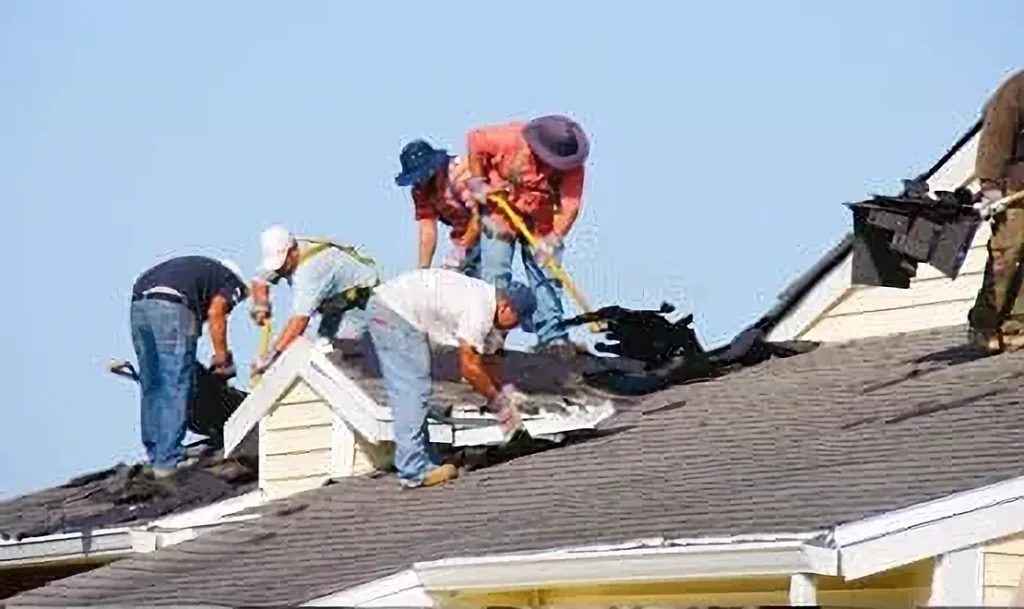
What "cheap roofers London" actually means
When people search for cheap roofers in London they are usually trying to solve one of three problems: a slow drip after rain, a few slipped tiles they can see from the garden, or a leaflet through the door offering a "free inspection" after a storm. All three are legitimate reasons to want a lower price. But the word cheap covers a wide spread of actual businesses, from a one-man roofer who has worked the same three postcodes for twenty years, to someone who bought a van, a ladder and a Facebook ad last month.
The quote itself rarely tells you which one you are dealing with. A price of £150 for a gutter clear can come from either. The difference shows up later: in whether the price changes once they are on the roof, whether there is anything in writing, and whether they carry insurance that actually pays out if something goes wrong on your property.
Typical cheap roofer prices in London
These are typical ranges seen across London for smaller residential jobs. Actual price depends on the borough, how the roof is accessed, the time of year, and whether scaffolding is needed. Always get a written quote for your specific property before agreeing to anything.
| Job | Typical London price | Who should do it | Notes |
|---|---|---|---|
| Gutter clearing and cleaning | £60 to £120 | Handyman | Per property, ladder access, no scaffold needed |
| Minor leak or flashing repair | £80 to £200 | Handyman or roofer | Depends on roof type and how the flashing is reached |
| Replacing a handful of slipped or broken tiles | £100 to £300 | Handyman with roofing experience, or roofer | Add £150 to £300 if a scaffold tower is required |
| Small felt patch on a flat roof | £120 to £280 | Roofer or felt specialist | A full recover is a much larger job, priced separately |
| Moss and debris removal, low pitch roof | £80 to £180 | Handyman | Often paired with gutter clearing and a pressure wash |
| Full pitched roof replacement, small terrace | £3,000 to £8,000+ | Roofer only | Scaffolding, skip hire and building control involvement |
| Roof inspection or written report | £50 to £150 | Roofer | Worth doing before buying a property or after a storm |
A genuinely cheap job versus a false economy
A genuinely cheap job is one where the price is low because the tradesman has low overheads and a small, local client base, not because he is skipping steps that cost him nothing to skip in the short term. There is a real difference between the two, and it shows up in specific behaviour.
Red flags worth taking seriously: a price given over the phone with no site visit for anything beyond a basic gutter clear, insistence on cash only, no written quote before work starts, pressure to pay the full amount up front, and doorstep cold-calling in the days after a storm claiming to have "noticed damage" from the street. None of these prove the person is dishonest. All of them are common patterns in the roofing jobs that go wrong and end up costing more to fix than the original quote.
Roof jobs a handyman can do for less
Not every roof problem needs a roofing contractor. A general handyman with roofing experience can handle a specific range of small, ground-accessible or low-scaffold jobs at a lower price than a dedicated roofer's minimum callout, because a roofer's day rate is built around bigger jobs and a bigger crew.
- Clearing and unblocking gutters, and refitting a loose gutter bracket
- Refitting a loose or slightly warped fascia board
- Replacing a small number of slipped tiles reachable from a standard ladder
- Sealing minor gaps in flashing around a chimney or dormer window
- Clearing moss and organic debris from a low, flat, or garage roof
- Patching a small tear in a shed or outbuilding felt roof
Our guttering services in London cover most of the gutter-related jobs on that list, and for the handful of tile and flashing jobs that come up unexpectedly, our emergency handyman service in London can usually get someone out the same day or next day, which matters when a small leak is getting worse by the hour.
Where a handyman should stop is anything needing scaffold above two storeys, anything touching more than a small section of the roof covering, or anything where a mistake risks structural damage or a building control issue.
When you need a specialist roofer, not a handyman
Use a dedicated roofer, not a handyman, for a full or partial re-roof, any chimney repointing or rebuilding work, structural timber repair to rafters or joists, work above two storeys that needs a full scaffold rather than a tower, and anything you plan to claim on buildings insurance. Depending on the scale of the work, replacing a significant portion of a roof covering can also require notifying building control or using a roofer registered with a competent person scheme. Rules and thresholds change, so ask the roofer directly how they handle this, and confirm with your local council's building control team if you are unsure.
Questions to ask before hiring any cheap roofer
Ask these before you agree to anything, and be wary of anyone who gets vague or impatient answering them.
- Can I see your public liability insurance certificate, and what is it insured for? Most legitimate tradesmen carry between £1 million and £5 million.
- Is this a fixed price, or an estimate that could change once you're on the roof?
- Will you put the price and the scope of work in writing before you start?
- Do you offer a guarantee on materials and labour, and how long does it last?
- Is VAT included in the price, and are you VAT registered?
- Can you give me two or three recent local addresses where I can see the finished work?
- If scaffolding is needed, is that included in the quote or charged separately?
The single most expensive mistake: paying a large deposit, or the full price, upfront to a roofer you found through a doorstep cold call or a leaflet handed out straight after a storm. The pattern is common: they patch the visible problem quickly, take payment, and the leak either returns within weeks or turns out to have been made worse by the "repair." By the time you find someone reliable to redo it properly, you've often paid two to three times the original quote. Never pay the full amount before work starts. If a deposit is needed for materials, keep it small and pay the balance only once the job is finished and you've checked it.
How to get a lower quote without risking the job
Get three quotes for anything above a basic gutter clear, and ask each one the same questions from the checklist above so you're comparing like for like, not just comparing two numbers. Non-emergency work is often cheaper if you book it outside the autumn and winter storm season, when demand for roofers spikes and prices follow it. Bundling jobs into one visit, a gutter clear, a quick inspection, and a small repair together, usually saves you a second callout charge.
For older properties, a periodic check as part of wider property maintenance in London is often the cheapest way to deal with roofs long term, because small issues get caught and fixed for £100 rather than left to become a £3,000 problem after water gets into the roof timbers.
FAQ
How much do roofers charge in London?
Small jobs like gutter clearing or a minor flashing repair typically run £60 to £200. Tile replacement is usually £100 to £300, more with scaffolding. A full re-roof on a small terraced house typically starts around £3,000 and can run well past £8,000 depending on size and materials. Prices vary by borough, access and season, so always get a written quote for your specific property.
Are cheap roofers any good?
Many are perfectly good, particularly small local businesses with low overheads and long-standing reputations in their area. The risk isn't the price itself, it's what the low price sometimes signals: no insurance, no written quote, cash-only payment, and pressure to pay upfront. Check insurance and ask for recent local addresses before hiring, regardless of the price quoted.
Can a handyman fix a leaking roof?
A handyman can often fix small leaks caused by a slipped tile, a gap in flashing, or a blocked gutter overflowing onto the roof felt, especially where the fix is reachable by ladder. Leaks caused by structural damage, widespread tile failure, or issues above two storeys need a roofer with proper scaffold access and roofing-specific insurance.
Do roofers need to be certified in the UK?
There is no single mandatory licence to work as a roofer in the UK. Reputable roofers often belong to trade bodies or competent person schemes, which matters for certain work that needs building control sign-off. Always ask directly what registration or insurance a roofer holds rather than assuming any particular badge or certificate.
How much does it cost to repair a small roof leak in London?
A small leak from a slipped tile or a minor flashing gap typically costs £80 to £250 to repair, depending on access. If scaffolding is needed to reach the area safely, add £150 to £300. Get the leak assessed quickly, since water sitting in a roof void for weeks turns a small repair into a much larger, more expensive one.
What is the cheapest way to fix a roof problem?
The cheapest approach is usually catching problems early through a routine check, using a handyman for small accessible repairs instead of calling a full roofing contractor's minimum callout, and bundling jobs like gutter clearing and a quick inspection into one visit. Booking non-urgent work outside the autumn storm season also tends to bring lower prices.
Should I pay a roofer upfront?
No, not the full amount. A small deposit to cover materials on a larger job is reasonable and common. Paying the full price before work starts, especially to someone found through a cold call or a post-storm leaflet, is the most common way people end up out of pocket with a leak that returns weeks later.
What's the difference between a handyman and a roofer for roof work?
A handyman handles small, ladder-accessible jobs such as gutter clearing, minor flashing repairs, and replacing a few tiles. A roofer is equipped and insured for larger work: full re-roofs, scaffold access above two storeys, structural repairs, and chimney work. For anything beyond a small, visible repair, a dedicated roofer is the safer choice.
Same day service available
Need a handyman in London?
Fully insured handymen with 10+ years experience. Free quote in minutes, Monday to Saturday 9.00 to 19.00.