
Rotten Floorboards Repair Cost in London
Rotten floorboards repair cost in London typically runs from £100 to £150 for a single damaged or rotten board, including the call out, and £300 to £2,000 or more for a whole room, depending on how many boards need lifting, whether the joists underneath are sound, and whether you need reclaimed timber to match a period floor. A single board takes 1 to 2 hours. A full room takes half a day to two days if the subfloor is sound. Prices are a guide only, so contact us for an exact quote.
In this guide
- What floorboard repair involves
- Rotten floorboards repair cost in London
- Cost of replacing floorboards: whole room prices
- How long floorboard repair takes
- Squeaky floorboards vs damaged floorboards
- Signs you need floorboards repaired, not just a squeak fix
- Victorian and Edwardian floors in London
- The mistake that costs the most
- DIY floorboard repair or call a handyman
- Areas we cover
- FAQ
What floorboard repair involves
Floorboard repair covers three different jobs that people lump together under one name: fixing a squeak, replacing a damaged or rotten board, and sorting out gaps or lifting caused by movement in the subfloor. Each one needs a different fix, and treating them as the same job is how people end up paying twice.
A squeak is almost always mechanical. A nail has worked loose, or the board is rubbing against the joist as the timber dries and shrinks. The fix is re-securing the board with screws, which grip far better than the original nails, or packing a thin shim between board and joist to stop the friction that causes the noise.
A rotten or damaged board, one that is cracked, split, or soft from a water leak, has to come up and be replaced, either with new timber cut to size or a reclaimed board if the floor is original to the property. Gaps and lifting usually point to something underneath: a joist that has moved, moisture swelling the timber, or a subfloor that was never fixed properly the first time.
London has a lot of Victorian and Edwardian tongue and groove pine boards, usually 100mm to 150mm wide, laid over joists spaced 400mm to 600mm apart. Some of these floors are over a century old. They move, they dry out, and they need handling differently to a modern chipboard floor in a Battersea conversion.
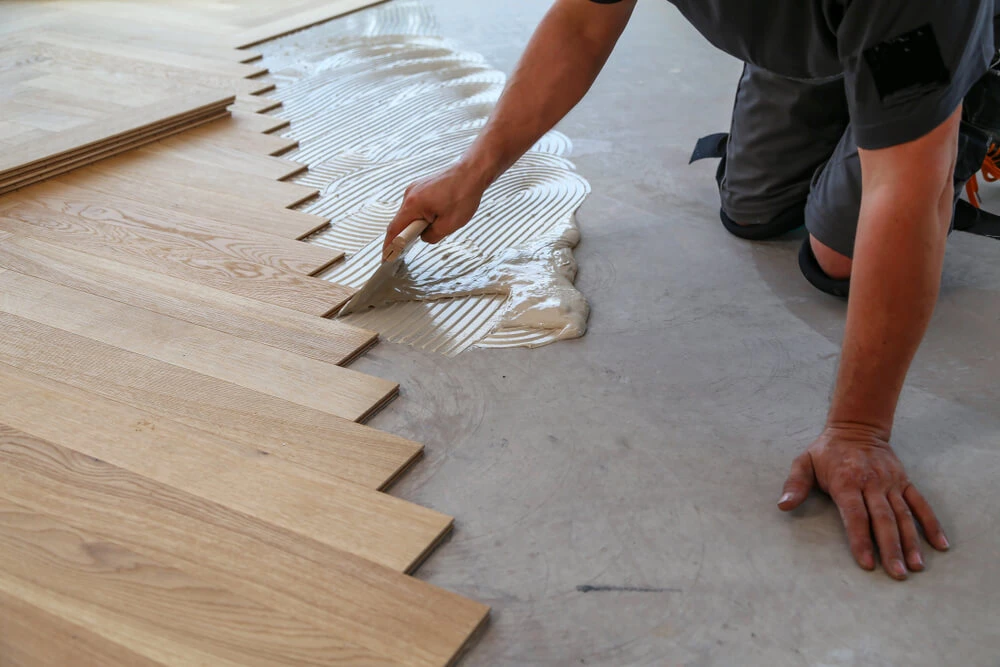
Rotten floorboards repair cost in London
Rotten floorboards repair cost depends on three things: how many boards are affected, whether the joists below need attention, and whether you need matched timber for a period floor. A single rotten board, lifted and replaced with new softwood, costs £100 to £150 including the call out. The same job using reclaimed timber matched to an original floor in Chelsea or Kensington runs closer to £200 to £250, because sourcing and shaping matched boards takes longer.
Prices do not move much by postcode. A rotten board in a Wimbledon terrace costs about the same to fix as one in Mayfair or Belgravia. What changes the price is the condition underneath the board, not the address. For a full breakdown of how we price jobs by time rather than guesswork, see our handyman hourly rate and day rates guide. Always get a written quote before work starts, since every job varies once a board is actually lifted and the joist is visible.
Cost of replacing floorboards: whole room prices
The cost of replacing floorboards across a whole room runs from £800 to £2,000 or more. Replacing floorboards cost scales with the number of boards, whether sanding and refinishing is needed afterwards, and whether any joists need sistering or repair work. The table below sets out the typical ranges.
| Job | Typical cost | Typical time |
|---|---|---|
| Fix a single squeaky board (screw down, no replacement) | £100 to £150 | 30 to 60 minutes |
| Replace one damaged board (new softwood, unmatched) | £100 to £150 | 1 to 2 hours |
| Replace one board matched to reclaimed or period timber | £200 to £250 | 2 to 3 hours |
| Repair 5 to 10 boards in one room | £400 to £650 | Half day to 1 day |
| Re-lay or repair a full room's flooring | £800 to £2,000+ | 1 to 3 days |
| Joist repair or sistering (per joist section) | £400 to £600 extra | Adds half a day per section |
Materials sit on top of these figures. New softwood boards run roughly £15 to £30 per metre length depending on width and grade. Reclaimed boards matched to a period floor cost more and can take a week or two to source if your handyman needs to order from a specialist yard. If skirting has to be lifted to get at the floor edges, that is usually a separate line item, and it is worth reading our guide to skirting board fitting in London if your skirting is original and needs careful handling. Joist sistering is carpentry work, and our carpentry services in London page covers what that involves if the subfloor turns out to be the real problem.
How long floorboard repair takes
A single squeak fix is genuinely quick, often done within the same visit as other small jobs. If you already have a handyman booked for shelving or a dripping tap, mention the squeak. It fits naturally into a small jobs handyman visit rather than needing its own call out.
Replacing several boards takes longer, partly because of drying time if water damage is involved, and partly because matching old timber colour and profile takes patience. If the room needs sanding and refinishing afterwards to blend old and new boards, add another day, and plan around not walking on the floor for 12 to 24 hours while the finish cures.
Structural work, where a joist has sagged, split, or rotted, changes the timeline completely. That moves into carpentry territory, sometimes needing building control sign-off if it affects load-bearing elements, and it can run to several days including drying time if damp caused the original problem.
Squeaky floorboards vs damaged floorboards
A squeak on its own, with no visible cracking, staining, or softness underfoot, is almost always mechanical: loose fixings, timber shrinkage, or friction between board and joist. It is annoying but not urgent. Damage is different. Cracking, dark staining, a spongy feel when you press down, or boards that flex more than a few millimetres under weight all point to moisture or rot, and that needs checking before it spreads to the joists below.
The test we use: press firmly on the board with your palm. A healthy board flexes almost imperceptibly. If it gives noticeably, or the creak sounds wet rather than dry, treat it as damage rather than just noise.
Signs you need floorboards repaired, not just a squeak fix
- Dark or black staining on the board surface or edges, usually meaning water has been sitting there
- A musty smell from the floor, particularly in ground floor rooms or near bathrooms
- Boards that have visibly cupped, with edges higher than the middle, or crowned, with the middle higher than the edges
- Gaps between boards wider than 3 to 4mm that were not there a year or two ago
- Skirting board separating from the wall at floor level, which often signals movement below
- A moisture reading above 18 to 20% on a timber moisture meter, where a healthy internal floor should read well under that
Any one of these on its own might be minor. Two or three together usually mean there is a moisture source worth finding before you replace anything.
Victorian and Edwardian floors in London
A large share of London's housing stock, particularly in boroughs such as Islington, Lambeth, Hackney and Wandsworth, still has original suspended timber floors from the Victorian or Edwardian era. These floors were built to breathe, with underfloor ventilation (airbricks) keeping the void below dry.
Two things commonly go wrong. First, airbricks get blocked, painted over, or removed during renovation, and the void beneath the floor becomes damp without anyone noticing until boards start to soften. Second, central heating dries original boards out far more than Victorian builders ever accounted for, which is why gaps widen over decades and boards that were tight in 1990 can be visibly gapped today. If a slow pipe leak is the suspected cause rather than ventilation, our plumbing services in London page covers tracing and fixing the source before the floor gets touched.
If your property is in a conservation area, cosmetic floorboard repair usually does not need planning permission. But if you are planning to lift a significant area of original flooring or change the floor structure, check with your local planning department first, since requirements vary by borough and by whether the building is listed. We see this question most often in Hampstead, Highgate and Richmond, where a lot of original period flooring survives.
The mistake that costs the most
Replacing a damaged board without finding out why it was damaged. We have seen jobs where a homeowner pays to replace two or three rotten boards, only for new boards to fail again within a year because the original leak, a slow drip from a pipe, a blocked airbrick, or condensation from poor ventilation, was never traced and fixed. Always ask whoever repairs your floor to check the joist and subfloor condition underneath, not just swap the visible board.
DIY floorboard repair or call a handyman
A simple squeak fix is realistic as a DIY job if you are comfortable lifting a board carefully and re-securing it with screws rather than nails. Talcum powder or a specialist lubricant worked into the gap can quiet a minor squeak temporarily, but it does not fix the underlying movement.
Replacing a board, especially in a period property where matching timber matters, is where most people call a professional. Getting the tongue and groove joint right so the new board sits flush, and matching the finish so it does not stand out, takes practice most homeowners have not had. It is also the point where you find out whether the joist underneath is sound, and that is not always obvious until the board is up.
If the repair is part of a wider list, a leaky gutter, a cracked bit of plaster, a fence panel, it is often more cost-effective to bundle everything into one property maintenance visit rather than booking separate call outs for each. If you are pricing up other fixed-price jobs at the same time, our guides to gas fire installation cost and one coat plaster cost in London use the same real figures and the same guide-only caveat.
Areas we cover
We fix floorboards and handle the carpentry and small jobs around them across central and south west London, including Chelsea, Kensington, Wimbledon, Knightsbridge, Notting Hill, Fulham, Battersea, Clapham and Richmond. Pricing does not change by postcode, whether the job is in South Kensington or Putney, but older housing stock in areas like Marylebone, Primrose Hill and Barnes tends to involve more period timber matching than newer flats in Canary Wharf.
FAQ
How much does floorboard repair cost in London?
Floorboard repair cost in London starts at about £100 for a single squeaky board fixed in place, rises to £100 to £250 for replacing one damaged or rotten board depending on whether timber needs matching, and runs from £300 to £2,000 or more for repairing or re-laying a whole room. Prices are a guide only, so get a written quote for your specific job before work starts.
How much does it cost to fix a squeaky floorboard in London?
Fixing a single squeaky floorboard in London typically costs from about £100 including the call out, and takes 30 to 60 minutes if no replacement timber is needed. The fix usually means re-securing the board with screws instead of the original nails, or inserting a shim between the board and the joist to stop the movement causing the noise.
What is the cost of replacing floorboards in a whole room?
The cost of replacing floorboards across a whole room typically runs from £800 to £2,000 or more, depending on how many boards need lifting, whether the joists need repair or sistering, and whether sanding and refinishing is needed afterwards to blend old and new timber. Jobs involving reclaimed boards matched to a period floor sit at the higher end of that range.
Can floorboards be repaired or do they always need replacing?
Most floorboards can be repaired rather than replaced if the damage is limited to surface cracking, loose fixings, or minor warping. Full replacement is usually only needed when a board has rotted from water damage, split badly enough to be unsafe underfoot, or is damaged beyond what sanding and refinishing can fix. A tradesperson can tell you which applies within a few minutes of inspection.
How do I stop floorboards creaking permanently?
The most permanent fix is lifting the board, checking the joist below for movement or gaps, then re-securing the board with screws driven into the joist rather than relying on the original nails. Adding a bead of adhesive or a shim where the board meets the joist stops the friction that causes most creaks. Surface fixes like powder or lubricant only mask the noise temporarily.
Is floorboard repair covered by home insurance?
It depends on the cause. Damage from a sudden escape of water, such as a burst pipe, is often covered under standard home insurance policies, but gradual damage from a slow long-term leak or general wear and ageing usually is not. Check your specific policy wording and speak to your insurer before assuming cover, since terms vary between providers.
How long do original Victorian floorboards last in London homes?
Original Victorian pine floorboards can last well over a century if kept dry and free from pest damage, which is why so much of London's older housing stock still has its original flooring. What fails first is usually the fixings and the subfloor ventilation, not the timber itself, so a tired-looking board often just needs re-securing and refinishing rather than replacing.
Do I need a professional to repair floorboards or can I do it myself?
A basic squeak fix is manageable for a confident DIYer with the right screws and a bit of care. Replacing a damaged board, matching timber in a period property, or any repair that involves checking the joists underneath is better left to a professional, both for the quality of the finish and because it is easy to miss rot or damp without experience spotting it. Our plastering services page covers repairing the ceiling below if a leak has damaged both.
Same day service available
Need a handyman in London?
Fully insured handymen with 10+ years experience. Free quote in minutes, Monday to Saturday 9.00 to 19.00.