
Internal Wall Smoothing London: Cost, Process and What to Check First
Internal wall smoothing turns a textured, cracked or Artexed wall into a flat surface ready for paint or wallpaper. A plasterer or experienced handyman skims a thin coat of finish plaster, roughly 2 to 3mm, over the existing wall after stripping old covering, sealing with a bonding agent, and checking pre-2000 texture coatings for asbestos. In London, one wall typically runs £180 to £350, a full average bedroom £450 to £900, and you should allow 3 to 7 days of drying before the first coat of paint goes on.
- What internal wall smoothing actually is
- Internal wall smoothing cost in London
- Is it Artex? Why that changes everything
- Skimming vs replastering: which you need
- The process, step by step
- How long before you can paint
- What to ask before you book
- FAQ
What Internal Wall Smoothing Actually Is
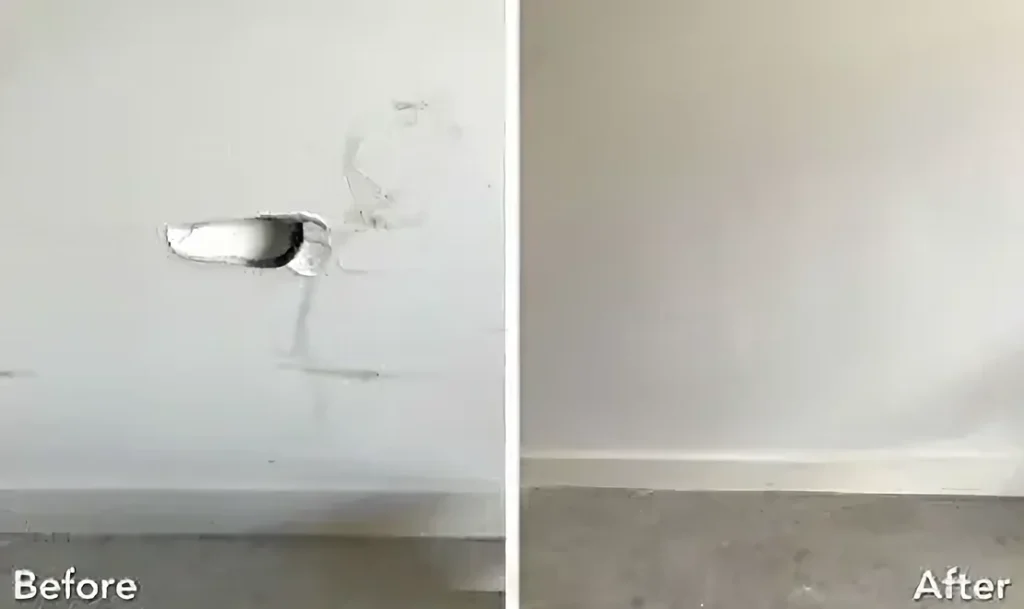
Internal wall smoothing is the process of skimming a fine layer of finish plaster over a wall that is textured, damaged, patched or simply tired, so the surface is flat enough for paint or paper without every dent and stipple showing through. It is not the same job as replastering a wall from bare brick. Most jobs we see across London are older walls under a rough coat of Artex, a wall that has had woodchip wallpaper stripped and left scarred, or a wall with patched holes from removed shelving, sockets or old fixtures that never got finished properly.
The finish plaster itself is a thin, sandable skim, usually a multi-finish product, applied in one or two thin passes rather than the thicker two-coat system used when plastering a wall from scratch. That is why it is quicker and cheaper than a full replaster, but it only works if the surface underneath is sound.
Internal Wall Smoothing Cost in London
Cost depends on wall size, how many coats it needs, whether wallpaper or Artex has to come off first, and whether asbestos testing is required. As a general guide for London in 2026:
| Job | Typical Cost Range | Notes |
|---|---|---|
| Small patch, up to 5m² | £150 to £250 | Filling and blending a damaged section into existing wall |
| One average wall (10 to 12m²) | £180 to £350 | Bedroom or hallway wall, single skim coat |
| Full room, four walls | £450 to £900 | Average bedroom or small reception room |
| Ceiling smoothing (per ceiling) | £200 to £450 | Often priced separately, harder to reach and sand |
| Wallpaper or Artex removal, if needed | £4 to £8 per m² | Added on top of the skimming price |
| Asbestos test, if texture coating is pre-2000 | £50 to £150 | Confirm with a licensed testing company before any sanding |
These are general London ranges and every quote should be confirmed against your own wall condition, access and floor. A ground floor Victorian terrace wall with sound plaster underneath costs a fraction of a top floor conversion flat with a crumbling lath and plaster ceiling above it. Get someone round to look before you accept a price over the phone. If the job is genuinely small, a single patch or a scuffed corner, it may be more cost effective to bundle it into a wider small jobs and odd job handyman visit rather than book a plasterer for one wall.
Is It Artex? Why That Changes Everything
If your walls or ceilings have that stippled, swirled or bark-effect texture and the property was built or decorated before the year 2000, you cannot assume it is safe to sand or disturb without checking first. Artex products made before 1999 sometimes contained asbestos fibres, and disturbing them by sanding, drilling or scraping can release fibres into the air. This is the single most common thing people get wrong with wall smoothing jobs in older London housing stock, particularly Victorian and Edwardian terraces and 1960s to 1980s ex-council flats.
The fix is not complicated. A licensed testing service can sample the coating and tell you within a few days whether it is safe to work on directly, whether it needs a specific removal method, or whether it needs a licensed contractor. Any competent plasterer working in London should ask about this before quoting, and you should be suspicious of anyone who offers to just "skim straight over it" without asking the age of the property.
The most expensive mistake in this whole job is skipping the asbestos check on old Artex. Sanding it back yourself, or letting a tradesperson sand it without testing, can turn a £250 skimming job into a professional decontamination and disposal job costing thousands, on top of the health risk. If your property is pre-2000 and has textured coating, get it tested before anyone touches it with sandpaper or a scraper.
Skimming vs Replastering: Which You Need
Skimming is right when the wall structure underneath is sound and the problem is purely cosmetic: texture, minor cracking, patched holes, or a rough finish left by a previous job. Replastering is needed when the plaster itself has failed: it sounds hollow when tapped, it is crumbling or damp to the touch, there are cracks that reopen after filling, or it is genuine lath and plaster that has come away from the laths behind it. This second category is common in older London properties where original lath and plaster ceilings and walls have simply reached the end of their life.
| Sign | Skimming Usually Works | Full Replaster Needed |
|---|---|---|
| Surface texture or minor stipple | Yes | No |
| Hairline cracks that don't reopen | Yes | No |
| Hollow sound when tapped | No | Yes |
| Damp staining or musty smell | No, fix damp first | Yes, once dry |
| Plaster crumbling or falling away | No | Yes |
If you are unsure which category your wall falls into, it is worth getting an honest assessment rather than paying for a skim that fails within months. This is exactly the kind of judgement call our plastering services in London team makes on site before quoting, because the price difference between the two jobs is significant and it is not something you want to guess at.
The Process, Step by Step
A proper wall smoothing job in a London home usually follows this order:
- Assessment. Checking the wall for hollow spots, damp, cracking and, in older properties, the age and type of any textured coating.
- Testing, if required. Sending a sample off for asbestos testing on pre-2000 Artex before any disturbance of the surface.
- Preparation. Stripping wallpaper, removing loose material, filling large holes, and protecting flooring, sockets and skirting.
- Sealing. Applying a PVA or specialist bonding agent so the new plaster grips the old surface and doesn't dry too fast or slip.
- Skimming. Applying the finish plaster in one or two thin coats, usually 2 to 3mm total, using a trowel and float to level the surface.
- Drying and sanding. Letting the plaster cure, then a light sand to remove trowel marks before the first coat of paint.
- Mist coat. A diluted emulsion coat, roughly one part water to nine parts paint, applied before the final paint colour so the wall doesn't drink the finish coat unevenly.
How Long Before You Can Paint
Fresh skim plaster generally needs 3 to 7 days to dry before it is ready for a mist coat, and longer in cold or damp weather, or in a room without good ventilation. Painting too early is a common mistake because the wall can look dry on the surface while still holding moisture underneath. This shows up later as bubbling paint, patchy colour, or a slightly damp smell that takes weeks to fully disappear.
A rough rule some plasterers use is roughly one day of drying per millimetre of plaster thickness in normal room conditions, though this varies with airflow, heating and the time of year. Running a dehumidifier or simply opening a window for a few hours a day speeds things up noticeably in winter jobs. If you are decorating around the same time, it is also worth planning ahead for finishing touches like shelving and picture hanging, since fixings into freshly skimmed walls need the plaster fully cured, not just touch dry, or the fixing can pull loose.
What to Ask Before You Book
Before agreeing a price, ask these questions. Is the quote based on seeing the wall in person or just a phone description? Does the price include stripping any existing wallpaper or Artex, or is that extra? If the property was built or decorated before 2000, has asbestos testing been discussed? How many coats are included, and is sanding and a mist coat part of the job or a separate charge? What happens if hollow or damp plaster is found once work starts, and how is that priced?
Getting clear answers to these before work begins avoids the most common source of disputes on plastering jobs: a fixed quote that turns into extra charges once the tradesperson opens up the wall and finds something worse underneath.
FAQ
What is internal wall smoothing?
Internal wall smoothing is applying a thin skim coat of finish plaster, usually 2 to 3mm, over an existing wall to remove texture, patch marks or minor damage and create a flat surface ready for paint or wallpaper. It is different from replastering a wall from scratch, which is needed when the plaster underneath has failed rather than just looking rough on the surface.
How much does it cost to skim a wall in London?
A single average wall, around 10 to 12 square metres, typically costs £180 to £350 in London as of 2026. A full room with four walls runs £450 to £900. Prices vary with wall condition, access, floor level and whether wallpaper or Artex removal is needed first, so treat these as a starting guide and get a quote based on seeing the actual wall.
Can you skim over Artex?
Yes, in most cases a plasterer can skim directly over Artex once it has been confirmed safe, using a bonding agent to help the new plaster grip the textured surface. The important step is checking whether the Artex contains asbestos if it was applied before 2000, since sanding or disturbing untested Artex is the main safety risk in this type of job.
How long does skimmed plaster take to dry before painting?
Skimmed plaster generally needs 3 to 7 days to dry fully before a mist coat, depending on room temperature, ventilation and the time of year. Painting too soon is a common mistake and can cause bubbling or patchy colour later. In cold or damp weather, allow longer and consider a dehumidifier or extra ventilation to speed the process up safely.
Do I need a plasterer or can a handyman do it?
Small patches and minor smoothing jobs can often be handled well by an experienced handyman, particularly as part of a wider odd job visit. Larger walls, full rooms, or anything involving suspected asbestos, damp, or failing lath and plaster should go to a qualified plasterer, since the finish and long term durability depend heavily on technique and correct preparation.
Is Artex dangerous, does it contain asbestos?
Not all Artex contains asbestos, but some products made before 1999 did. It is not dangerous while left undisturbed, but sanding, drilling or scraping it can release fibres into the air. If your property was built or decorated before 2000 and has textured coating, get it tested by a licensed company before any work that disturbs the surface.
How thick is a skim coat of plaster?
A standard skim coat is usually applied at around 2 to 3mm thick, sometimes in two thin passes rather than one thicker one, since a skim that is too thick can crack or fail to bond properly. This is noticeably thinner than a full two-coat plastering system used when plastering a wall from bare brick or block.
Can you smooth walls without removing wallpaper first?
Generally no. Skimming over wallpaper is unreliable because the paper can bubble, lift or peel away from the wall once wet plaster is applied on top, taking the new skim coat with it. Wallpaper, and particularly woodchip paper, should be stripped back to bare plaster or plasterboard before any smoothing work begins for the finish to last.
Same day service available
Need a handyman in London?
Fully insured handymen with 10+ years experience. Free quote in minutes, Monday to Saturday 9.00 to 19.00.