
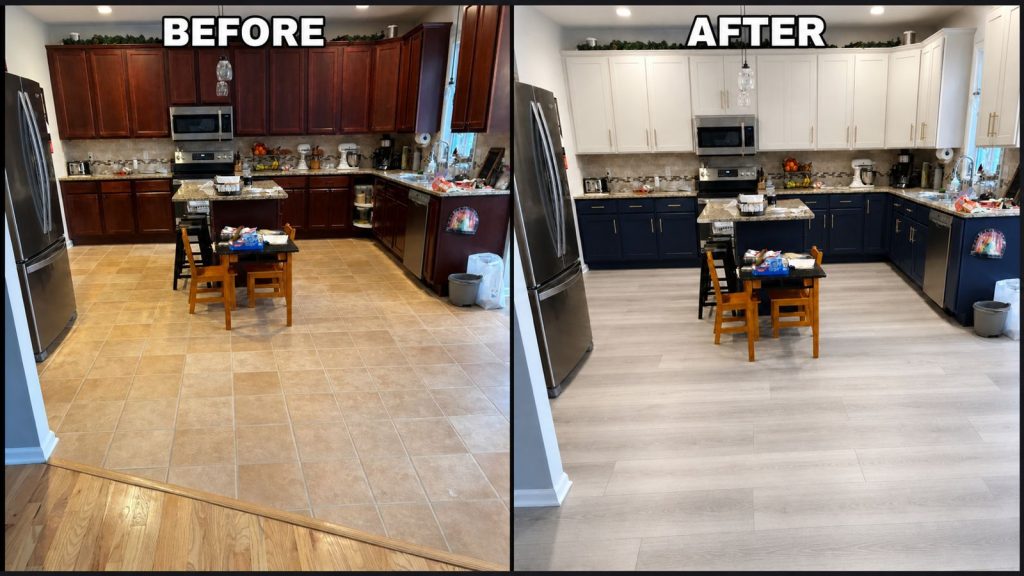
A handyman can carry out most small-to-medium home repair and maintenance jobs that don’t legally require a registered trade. That covers carpentry, flat-pack assembly, TV mounting, shelving, door and lock work, tiling, filling and patching, decorating, guttering, pressure washing, simple plumbing like tap and washer changes, and like-for-like electrical swaps such as sockets, switches and light fittings.
What a handyman cannot legally do in the UK is gas work (Gas Safe registration is a legal requirement) and notifiable electrical work under Part P of the Building Regulations. Everything else is fair game, provided they’re competent and insured.
What jobs does a handyman do?
| Category | Typical jobs |
|---|---|
| Carpentry & joinery | Hanging doors, easing sticking doors, skirting, architrave, shelving, cupboard repairs, decking repairs |
| Furniture | Flat-pack assembly, wardrobe fitting, securing furniture to walls, bed frames |
| Walls & mounting | TV brackets, mirrors, pictures, curtain poles, blinds, coat hooks, floating shelves |
| Doors & security | Lock changes, handles, hinges, door closers, draught proofing |
| Tiling & surfaces | Wall and floor tiling, regrouting, resealing baths and kitchens |
| Decorating | Filling, sanding, painting, wallpapering, touch-ups |
| Basic plumbing | Tap and washer changes, toilet seats, silicone sealing, unblocking traps, fitting waste pipes |
| Basic electrical | Like-for-like socket, switch and light-fitting swaps (non-notifiable only) |
| Outside | Gutter clearing, pressure washing, fence repairs, jet washing patios and drives |
| General repairs | Plasterboard patching, filling cracks, silicone work, adjusting windows |
What can’t a handyman legally do in the UK?
There is no such thing as a “handyman licence” in the UK — anyone can trade as a handyman. But two areas are restricted by law regardless of job title:
- Gas work. Anyone working on gas appliances, pipework or flues must be on the Gas Safe Register. This is a legal requirement, not a preference. A handyman must not touch your boiler, gas hob or gas fire.
- Notifiable electrical work. Under Part P of the Building Regulations, work such as new circuits, consumer unit (fuse board) replacement, EV charger installation, outdoor wiring and electrical work in bathrooms must be done by someone registered with a competent person scheme, or notified to building control. See our guide on what electrical work a handyman can legally do.
Structural alterations, asbestos removal and anything requiring building control sign-off also sit outside handyman territory.
Handyman or specialist trade — which do you need?
As a rule: if the job is small, varied, or a list of unrelated tasks, a handyman is faster and cheaper. If it is a single specialist job that carries certification or risk, book the trade. We cover this in detail in handyman vs plumber vs electrician.
- Book a handyman for a to-do list, odd jobs, repairs, mounting, assembly and general maintenance.
- Book a plumber for boilers, heating systems, soil pipes and anything behind a wall.
- Book an electrician for new circuits, fuse boards, rewires and bathroom electrics.
What does it cost?
In London, expect £80–£100 per hour, £280–£380 for a half day and £500–£650 for a full day. Small fixed-price jobs start around £45. Full detail is in our handyman hourly cost guide, our day rate guide and the complete London price list.
Handyman jobs room by room
Kitchen
Replacing cupboard doors, hinges and soft-close mechanisms, fitting handles, adjusting doors that no longer sit flush, fitting or replacing a kitchen unit, sealing worktops and splashbacks, fitting a splashback, replacing a tap, fitting a waste disposal trap, tiling and regrouting. Appliance work is limited to plumbing in a washing machine or dishwasher where connections already exist — anything gas is off limits.
Bathroom
Resealing baths, showers and basins, replacing a toilet seat, fitting a shower rail or screen, fitting bathroom cabinets and mirrors, replacing taps and shower heads, regrouting tiles, fixing loose tiles, unblocking traps, fitting extractor covers. Note that electrical work in a bathroom is notifiable under Part P and needs a registered electrician.
Bedrooms and living spaces
Flat-pack assembly, securing wardrobes and bookcases to walls (essential with young children), fitting shelving, hanging pictures and mirrors, mounting TVs, fitting curtain poles, tracks and blinds, easing sticking doors, replacing handles and hinges, filling and patching walls, touch-up painting and full redecoration.
Hallways, stairs and doors
Hanging and rehanging internal doors, fitting locks, latches and door closers, draught proofing, fitting handrails, replacing skirting and architrave, repairing squeaking stairs, fitting coat rails and storage.
Outside
Gutter clearing and realigning, pressure washing patios, decking and driveways, fence panel and post repairs, gate adjustment, shed assembly and repair, exterior painting, replacing rotten timber, fitting outdoor storage. Outdoor wiring is notifiable work and needs an electrician.
Jobs people don’t realise a handyman can do
- End-of-tenancy snagging. Filling every picture hole, touching up scuffs and easing doors before a checkout inspection — often cheaper than losing part of a deposit.
- New-build snagging. Working through a developer defect list.
- Childproofing. Anchoring furniture, fitting stair gates, cupboard catches and window restrictors.
- Pre-sale tidy-ups. The small defects that make a viewer think a property has been neglected.
- Post-leak making good. Once the plumber has stopped the leak, the patching, filling and repainting is handyman work.
- Damp-related redecoration. After the cause is fixed, stain-blocking and repainting.
- Office and landlord maintenance. Recurring small repairs across a portfolio.
How to brief a handyman properly
Most quote disputes come from a vague brief, not dishonesty. The more precise you are, the more accurate the price and the less chance of an awkward conversation on the day.
- List every job, including the small ones you think aren’t worth mentioning. Ten tiny jobs is a half day.
- Send photos of each one, plus a wider shot showing the room and access.
- Say what the walls are if you know — plasterboard, solid brick, concrete, dot-and-dab.
- Say who’s supplying materials. If you’ve already bought the bracket or the paint, say so.
- Mention access. Floor number, lift or no lift, parking situation, any restricted hours in your building.
- Flag anything urgent so it gets done first if time runs short.
What to have ready before they arrive
- Clear access to every work area — moving your furniture is time you’re paying for
- Any materials you’ve bought, unboxed and checked for missing parts
- Parking arranged, or a visitor permit if your street needs one
- Somewhere to work — a hallway or spare corner for tools and cutting
- Pets secured, especially if doors will be open
- Your list printed or on a phone, in priority order
How to check a handyman is legitimate
Because “handyman” isn’t a protected title in the UK, the checks fall to you. Ask for public liability insurance and expect to see the certificate. Look for a real trading address and a company number. Read reviews on more than one platform. Get the quote in writing with what’s included spelled out. And be wary of anyone willing to take on gas work or notifiable electrical work — that tells you they either don’t know the rules or don’t care about them.
Frequently asked questions
Do handymen need a licence in the UK?
No. There is no general handyman licence in the UK. However, gas work requires Gas Safe registration and notifiable electrical work requires competent-person registration, by law, whatever the job title.
Can a handyman do plumbing?
Basic plumbing, yes — tap and washer changes, toilet seats, resealing, unblocking traps and waste pipe work. Boilers, gas and central heating systems must go to a qualified plumber or Gas Safe engineer.
Can a handyman assemble flat-pack furniture?
Yes, and it’s one of the most common requests. In London expect £40–£120 depending on the piece, or book a half day if you have several items.
Can a handyman clean gutters?
Yes. Gutter clearing typically runs £60–£120 in London depending on property height and access.
Should I tip a handyman?
Tipping is not expected in the UK trades. See do you tip a handyman in the UK for the etiquette.
Related guides
- How much does a handyman cost per hour in London? — hourly, half-day and full-day rates explained
- Handyman day rate London — when booking a day is cheaper than paying hourly
- Can a handyman do electrical work? — UK Part P rules and where the legal line sits
- Handyman vs plumber vs electrician — which trade you actually need
- TV wall mounting cost in London — price by wall type, bracket and cable routing
- Do you tip a handyman in the UK? — the etiquette, and what’s worth more than a tip
Get a fixed price for your list
Send us your to-do list and we’ll price it free, usually within 30 minutes during working hours. Call 0800 102 6422, message us on WhatsApp, or request a quote online.