
Door Restoration London: Cost and Repair vs Replace
Wood door restoration in London typically costs £150 to £350 for a single internal door and £350 to £900 for a front door, depending on the extent of rot, the number of coats, and whether hardware needs replacing. Restoration is usually cheaper than replacement and is often required rather than optional in conservation areas across Chelsea, Kensington and Wimbledon, where councils expect original doors to be repaired rather than swapped for new ones. Get a local handyman to assess the door before you order a replacement. Treat these figures as a guide and contact us for an exact quote for your job.
On this page
- What wood door restoration actually involves
- Door restoration cost in London
- Front door restoration: what's different
- Restoration vs replacement: how to decide
- Signs your door needs restoring, not painting over
- The restoration process, step by step
- Areas we cover
- How long it takes
- FAQ
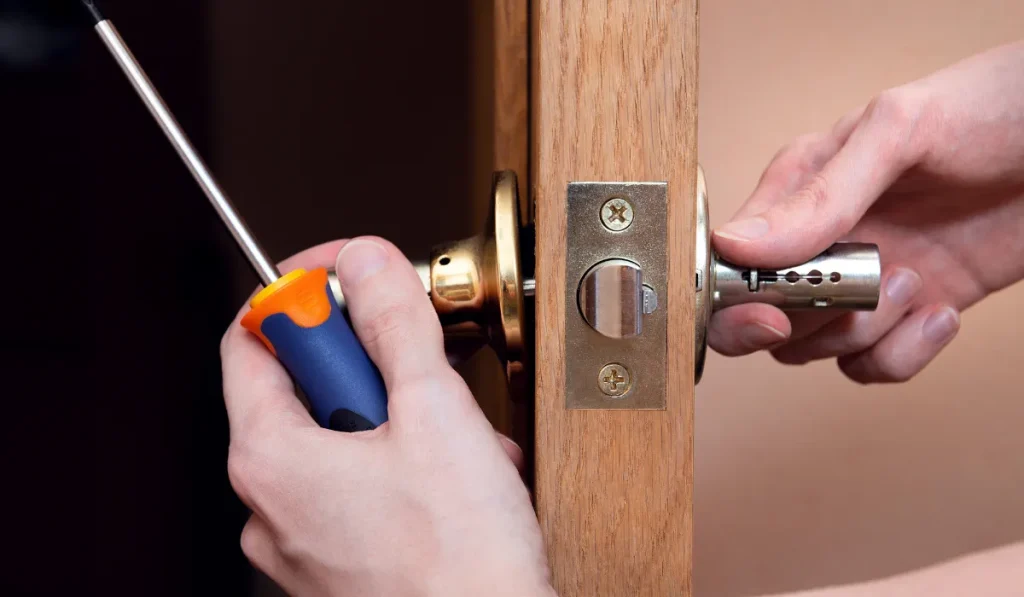
What Wood Door Restoration Actually Involves
Door restoration means keeping the original door and rebuilding it back to working order, rather than pulling it out and fitting a new one. That covers stripping old paint or varnish back to bare timber, filling or splicing out rot, re-gluing loose joints, sanding, and refinishing with primer, undercoat and topcoats, or a stain and varnish if you want the grain visible. It is a different job to a quick sand and repaint, which does nothing for structural damage and often traps moisture behind fresh paint.
Most of the doors we restore in London are period pieces: four-panel Victorian doors, six-panel Edwardian doors, and the glazed 1930s doors common in the outer suburbs. Pitch pine and oak hold up well to repair. Cheaper softwood doors from the 1970s and 80s sometimes have less worth saving structurally, though the frame and casing around them often are worth keeping. If you're weighing wooden door restoration against a wider list of jobs, our carpentry services in London cover the joinery side, splicing, re-gluing joints and planing, that sits alongside the finishing work.
Door Restoration Cost in London
Door restoration cost in London varies with door size, timber type, the extent of rot, and access. Oak takes longer to strip and sand than pine, and a door removed and worked on in a workshop is often cheaper per hour than one worked on in situ, because drying time between coats does not eat the whole visit. The figures below are typical ranges, always confirm against an actual inspection.
| Job | Typical cost | Notes |
|---|---|---|
| Single internal door, strip and repaint | £150 to £300 | Per door, hardware not included |
| Front door full restoration | £350 to £700 | Higher for glazed or panelled doors |
| Front door with rot repair or timber splice | £450 to £900 | Depends how much timber has gone |
| French or patio doors, pair | £500 to £1,200 | More if glazing bars need repair too |
| Stain and varnish finish vs paint | +£100 to £150 | Extra prep, more coats, longer dry time |
| Small touch-up or single panel repair | £100 to £150 | Often our minimum call-out covers this |
For a like-for-like new door made by a joiner in a period style, expect £800 to £2,000 or more, which is one reason restoration wins on cost most of the time. A small touch-up or single panel repair often falls within our standard call-out rate, around £100 per hour with a one-hour minimum charge. See our handyman hourly rate and day rates guide for how that scales to half-day and full-day jobs. If you're weighing this against other jobs on a to-do list, our small jobs and odd job handyman service covers everything from a single sticking door to a full list of snags in one visit.
Front Door Restoration: What's Different
Front door restoration costs more than an internal door mostly because of exposure. A front door takes weather on one face every day, so paint failure and rot are usually further along by the time anyone calls us, and the hardware, letterbox, locks, numerals, is more often original and worth preserving carefully rather than just unscrewing and binning. Front door restoration in London also tends to involve a draught seal upgrade at the same time, since the door is already off its hinges and the frame is accessible.
Wooden front door restoration on a glazed Edwardian door, with leaded or bevelled glass in the top panels, needs more care around the glazing bars during stripping, which is part of why the table above shows a wider range for panelled and glazed doors. A plain flush front door from the 1960s or 70s strips and refinishes faster and sits at the lower end of that £350 to £700 band.
Restoration vs Replacement: How to Decide
Rule of thumb from the trade: if rot has taken hold of less than around 30 to 40% of the door's structural timber, usually the bottom rail or a corner, a splice repair is normally cheaper and just as durable as a new door. Beyond that, especially if the frame is also going, replacement can work out cheaper once you factor in the labour to keep chasing rot through a door that's mostly gone.
But cost is not the only factor. In conservation areas, which cover large parts of Chelsea, Kensington, Wimbledon Village, Richmond, Barnes, and pockets of Islington and Highgate, the local council can require you to repair the original door rather than replace it, even with an identical copy. Listed buildings go further: alterations to doors, including material and finish, can need listed building consent. Always check with the local conservation officer before you order a new door for a period property in these areas. It's a slower process to find out afterwards that the replacement wasn't allowed.
Signs Your Door Needs Restoring, Not Just Painting Over
- A screwdriver sinks easily into the bottom rail or corners, that's soft rot, not just old wood.
- Paint is bubbling or flaking in patches rather than fading evenly, which usually means moisture underneath.
- The door sticks in wet weather and swings free in dry weather, meaning the timber is absorbing water somewhere.
- Hairline cracks running along panel joints, common on older doors that have moved with the seasons for decades.
- On flush doors, the veneer is lifting or bubbling at the edges, which points to water getting in at the frame.
Any of these on their own is usually a straightforward repair. Two or three together, especially rot plus swelling plus paint failure, mean the door has been letting water in for a while and the frame is worth checking too.
The Restoration Process, Step by Step
- Assessment. Probe suspect areas with a screwdriver or bradawl to find the true extent of rot, not just what's visible on the surface.
- Hardware removed. Hinges, letterbox, handles and locks come off before stripping so the finish coats sit clean around them later.
- Stripping. Heat gun or chemical stripper back to bare timber. On doors likely painted before the 1960s, lead paint is a real possibility and needs safe stripping practice, not sanding it into dust.
- Repair. Small rot gets cut out and filled with a two-part epoxy wood filler. Larger sections get a timber splice, cutting out the rotten piece and gluing in matching new timber, then shaping it to match.
- Joints. Loose mortice and tenon joints, common on older panelled doors, get re-glued and clamped rather than just filled over.
- Sanding. Progressive grits to a smooth, even surface, keeping any original panel mouldings intact rather than sanding the detail away.
- Finishing. Primer, undercoat and two topcoats for a painted finish, or wood filler colour-matched plus stain and varnish for a natural finish. Our painting and decorating service handles this stage on larger jobs or where several doors are being done at once.
- Rehang and adjust. Door goes back on, gets planed if needed for a snug fit, and hardware is refitted along with new draught seals if the door needs them.
The most expensive mistake: painting over rot without treating it first. Fresh paint over a soft, damp bottom rail seals the moisture in rather than out. The rot keeps spreading under the new paint where you can't see it, and six months later what would have been a £200 splice repair has eaten into the door frame too, turning it into an £800 or more rebuild. If a door feels soft anywhere, treat it before you paint it, not after.
Areas We Cover
We restore period and modern wood doors across most of London, with a lot of our work concentrated in the areas with the highest concentration of Victorian and Edwardian housing stock: Chelsea, Kensington, Wimbledon, Knightsbridge, Mayfair, Belgravia and South Kensington, where original panelled doors and conservation area rules go hand in hand. We also cover Notting Hill, Holland Park, Fulham, Marylebone, St John's Wood, Hampstead, Primrose Hill, Battersea, Clapham, Putney, Richmond, Barnes, Kew, Dulwich, Highgate, Islington and Canary Wharf.
If you're outside a conservation area entirely, replacement is more often on the table, but the restoration cost comparison usually still holds. If a door needs skirting or frame carpentry alongside the door itself, our skirting board fitting service is often booked in the same visit.
How Long Does Door Restoration Take?
A single door with straightforward stripping and repainting, no rot, usually takes one to two working days once you count drying time between coats. A front door with rot repair or a timber splice generally runs three to five days if the work is done in situ around the property, because of drying time on the repair before sanding and the multiple coats after. Taking the door off and working on it in a workshop can compress this to one to two days, plus the time to rehang it.
If you're dealing with a door damaged in a storm or a break-in and need it made secure the same day, that's a different job to full restoration. Our emergency handyman service can board up or temporarily secure a damaged door, then we schedule the proper restoration once it's safe to leave.
Landlords managing several properties across areas like Fulham, Clapham or Wimbledon often bundle door restoration into a wider maintenance visit rather than calling separately each time a tenant reports a sticking door. Our property maintenance service is set up for exactly that, regular visits that catch small door and frame issues before they become rot repairs.
FAQ
How much does door restoration cost in London?
Expect £150 to £300 for a single internal door restored by stripping and repainting, and £350 to £900 for a front door depending on how much rot repair is needed. French or patio doors as a pair typically run £500 to £1,200. Prices vary with timber type, door size and access, so a proper quote needs an inspection rather than a phone estimate. Prices are a guide only, contact us for an exact quote.
Is it cheaper to restore a wood door or replace it?
Restoration is usually cheaper. A full restoration on a front door runs £350 to £900, while a new custom-made period-style door from a joiner typically costs £800 to £2,000 or more. Replacement only tends to win on cost when rot has spread through most of the door and frame together, at which point you're paying for two jobs anyway.
Can a rotten wooden door be repaired instead of replaced?
Yes, in most cases. Rot confined to the bottom rail or a corner is usually cut out and repaired with an epoxy wood filler or a timber splice, restoring full strength to that section. As a general guide, if less than around 30 to 40% of the door's structural timber has gone, repair is normally viable and cheaper than a new door.
How long does front door restoration take?
A single door with no rot, just stripping and repainting, typically takes one to two working days accounting for drying time between coats. A front door needing rot repair or a timber splice usually takes three to five days if worked on in place, or one to two days if removed and restored in a workshop before being rehung.
Do I need permission to restore or replace a front door in a conservation area?
Restoring the original door generally does not need permission. Replacing it, even with an identical copy, can require planning permission or listed building consent in conservation areas, which cover large parts of Chelsea, Kensington, Wimbledon Village, Richmond and Barnes. Always check with the local council's conservation officer before ordering a replacement door for a period property in these areas.
Can old paint on wood doors contain lead?
Yes. Paint applied before around 1960 can contain lead, and doors that have never been fully stripped since often still have layers of it underneath. Dry sanding disturbs it into dust that can be inhaled. A competent tradesperson will strip it with a heat gun or chemical stripper and proper dust control rather than power-sanding it off.
What finish should I use on a restored front door, paint or varnish?
Paint gives better long-term weather protection and hides any filled repairs, which is why most restored front doors in London end up painted. Stain and varnish looks better if the timber grain is good quality and there's little to no filled damage, but it needs more coats, more prep, and more frequent recoating every few years to stay protected.
Is there a wooden door restoration service near me in London?
We cover most of London, with regular work in Chelsea, Kensington, Wimbledon, Knightsbridge, Mayfair, Belgravia, Fulham, Richmond, Clapham, Putney, Islington and Hampstead among other areas. For a job outside these areas, contact us to confirm we cover your postcode before booking, most of inner and much of outer London is within range.
Same day service available
Need a handyman in London?
Fully insured handymen with 10+ years experience. Free quote in minutes, Monday to Saturday 9.00 to 19.00.